Trauma and Rituals of Exile
Rituals of Expulsion and the Construction of the Self in the Spaces of Europe and Eretz Israel

Ḥaviva Pedaya


In this groundbreaking work, Professor Ḥaviva Pedaya explores the profound practice of walking as both literal and metaphorical exile within Jewish mystical, historical, and cultural contexts. Through rigorous analysis of sources spanning from Biblical literature to modern times, she examines how rituals of exile served as mechanisms for identity construction, social punishment, and mystical transformation.

The book traces two primary paradigms of exile rituals: the atoning model based on the Cain and Abel narrative, and the prophetic model exemplified by Ezekiel. Pedaya demonstrates how these practices evolved from ancient biblical precedents through medieval Ashkenazi and Sephardic communities, reaching particular intensity following the Spanish Expulsion of 1492.

Drawing on extensive manuscript sources and mystical literature, particularly the Zohar and Tikkunei Zohar, the author reveals how Safed kabbalists like Moses Cordovero and Isaac Luria transformed exile into a mystical practice of identification with the exiled Shekhinah. The study illuminates how walking practices served as "working through" collective trauma while constructing new forms of Jewish identity.

This interdisciplinary masterwork combines religious studies, anthropology, and trauma theory to offer unprecedented insights into the relationship between exile, embodied spiritual practice, and the formation of Jewish consciousness across centuries of displacement and renewal.
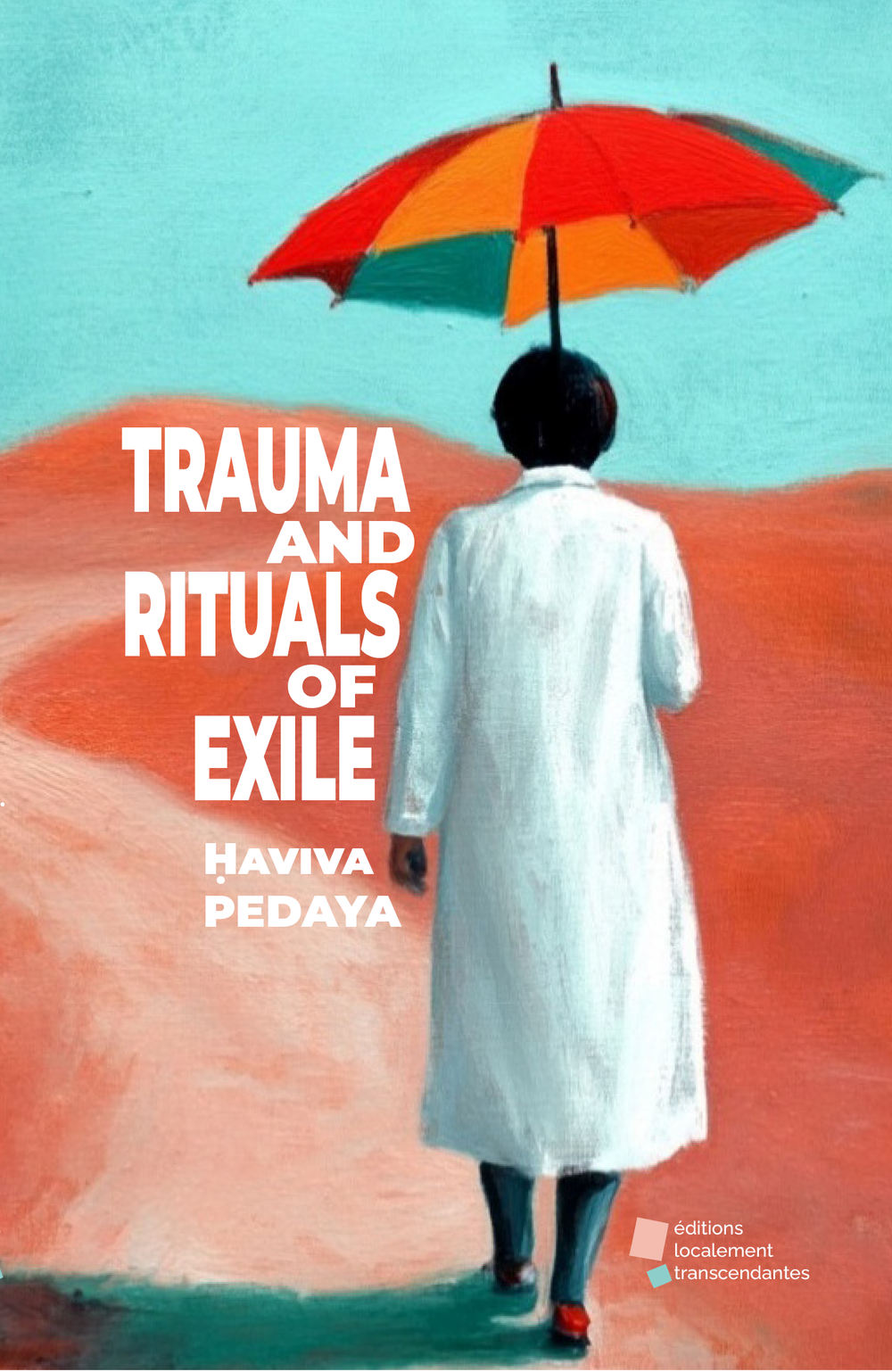
Trauma and Rituals of Exile

Publication: November 26, 2025

196 pages

15.24x22.86 cm

ISBN 978-2-38366-056-9

18.20 €

All our books are easily found online. However, by ordering them from your local bookstore, you save on shipping costs and support places of living and independent intellectuality.

Excerpts

On the Paradigms of Exile

The main paradigms for the practices of exile of the individual are presented in the Book of Genesis, in connection with the creation myth, on the one hand, and in Ezekiel, on the other. These two paradigms mark the two poles of the line along which we may map walking and wandering throughout Jewish history and culture: the wandering of the murderer and the wandering of the prophet.

The wandering of the murderer becomes paradigmatic for all acts of atoning walking on the social axis—i.e. those cases in which the erasure of sin is a precondition for reintegration into society. It is motivated by the urge to remove. The prophetic model, on the other hand, is paradigmatic for the processes of erasure of the sins of the collective, and is motivated by the desire to be absorbed into the transcendent.

Rituals of Exile in Tikkunei Zohar

Permission was given to those souls who were evicted from their places, following the footsteps of the Holy One blessed be He and his Shekhina, that they might nest in this sacred text. This bird is none other than the Shekhina that was driven out of her place. A man wanders from his place—Who is this? The righteous man who leaves and wanders to and fro from his place with the Shekhina.

For so established the Sages: at the time of the destruction of the Temple, He decreed that the houses of the righteous be destroyed and that each one would wander from his place. For it is fitting for the servant to resemble his master.

The Spanish Expulsion and Ritual Response

The traumatic experience of the Spanish Expulsion created new forms of ritual processing. Through rituals of walking, exile was experienced as the basis for location and relocation in reality, which is the urgent need of anyone uprooted from his habitual way of life. These rituals served as a way of working through trauma in religion and in the psychology of religion, functioning as a kind of laboratory in which the working-through of the sense of uprootedness could be performed in a protected and controlled manner.

Ḥaviva Pedaya

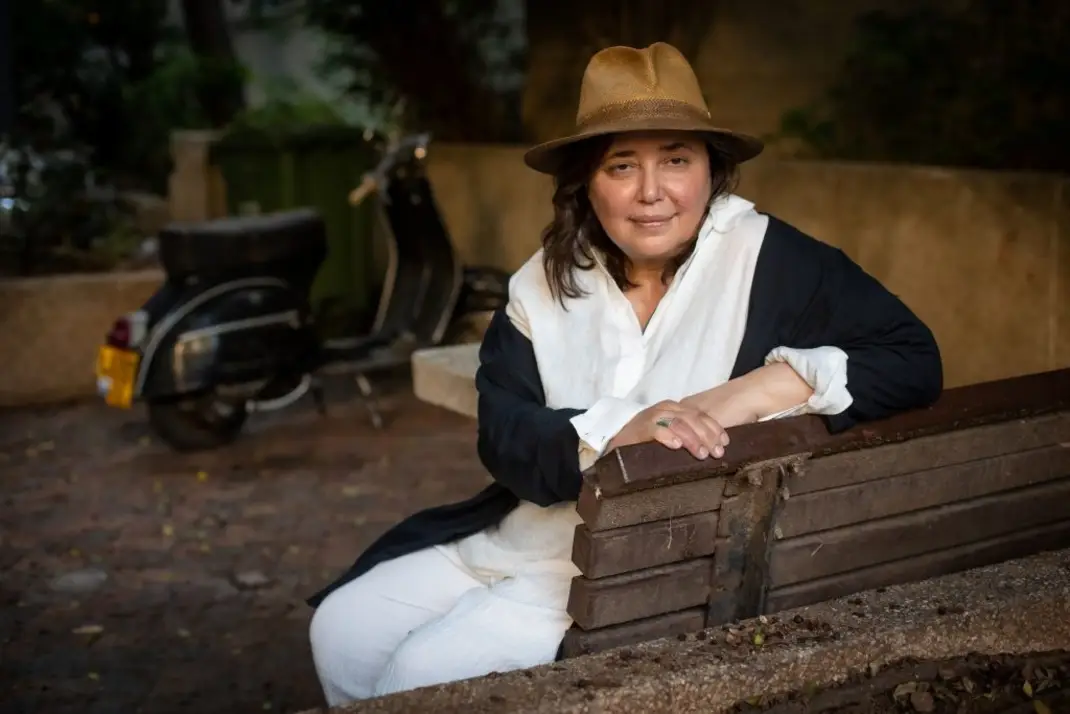
About the Author

Ḥaviva Pedaya is Professor of Jewish Philosophy and Mysticism at Ben-Gurion University of the Negev. She is internationally recognized as one of the leading scholars of Kabbalah and Jewish mysticism, with groundbreaking contributions to the understanding of medieval Jewish thought, mystical practices, and the relationship between trauma and spirituality in Jewish history.

Her extensive scholarly work includes Name and Sanctuary in the Teaching of R. Isaac the Blind, Vision and Speech: Models of Revelatory Experience in Jewish Mysticism, and Nahmanides—Cyclical Time and Holy Text. Professor Pedaya's interdisciplinary approach combines rigorous textual analysis with insights from anthropology, psychology, and cultural studies.

Beyond her academic research, she is also a performer and composer, founding the Yonah Ensemble, which brings mystical Jewish texts to life through music. Her unique integration of scholarship and artistic practice has made her a distinctive voice in contemporary Jewish studies and spiritual culture.