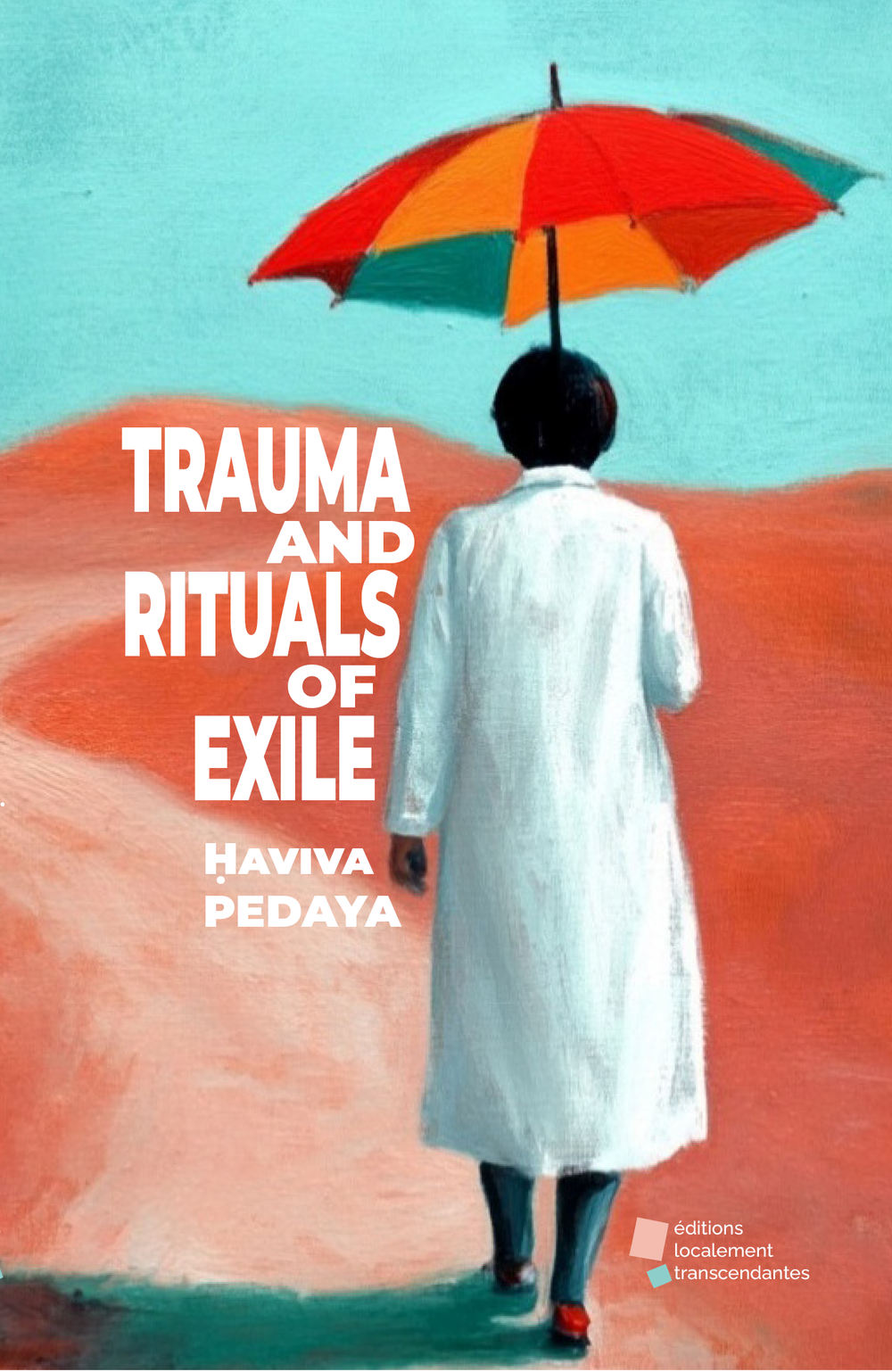
Trauma and Rituals of Exile
Rituals of Expulsion and the Construction of the Self in the Spaces of Europe and Eretz Israel
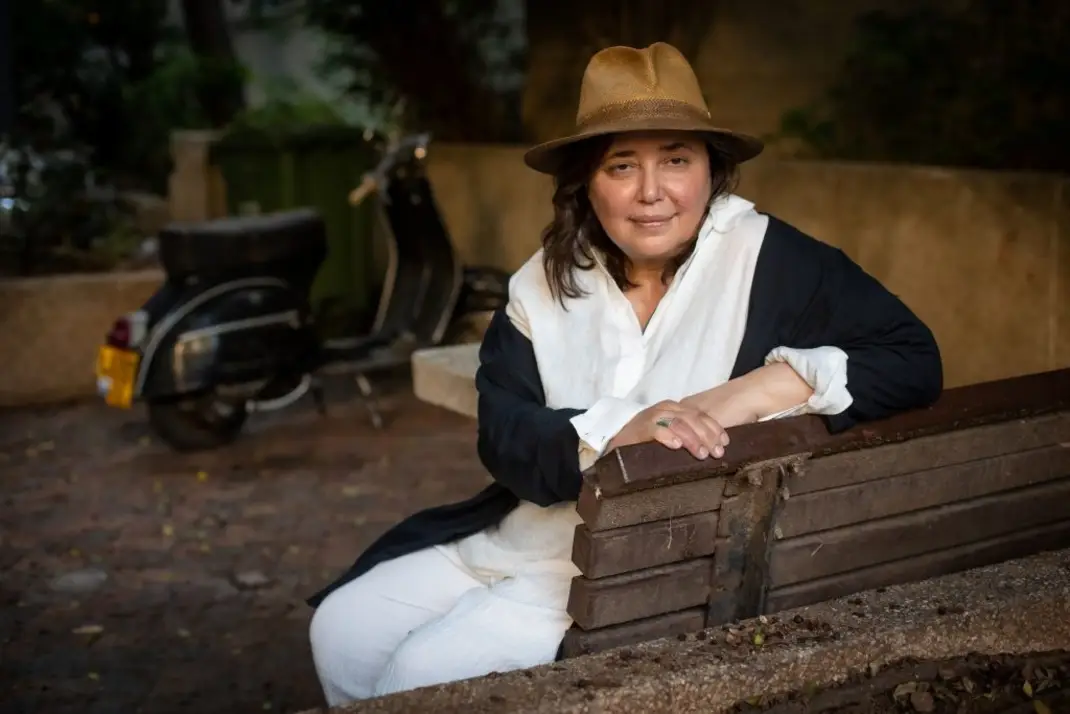
Ḥaviva Pedaya
In this groundbreaking work, Professor Ḥaviva Pedaya explores the profound practice of walking as both literal and metaphorical exile within Jewish mystical, historical, and cultural contexts. Through rigorous analysis of sources spanning from Biblical literature to modern times, she examines how rituals of exile served as mechanisms for identity construction, social punishment, and mystical transformation.
The book traces two primary paradigms of exile rituals: the atoning model based on the Cain and Abel narrative, and the prophetic model exemplified by Ezekiel. Pedaya demonstrates how these practices evolved from ancient biblical precedents through medieval Ashkenazi and Sephardic communities, reaching particular intensity following the Spanish Expulsion of 1492.
Drawing on extensive manuscript sources and mystical literature, particularly the Zohar and Tikkunei Zohar, the author reveals how Safed kabbalists like Moses Cordovero and Isaac Luria transformed exile into a mystical practice of identification with the exiled Shekhinah. The study illuminates how walking practices served as "working through" collective trauma while constructing new forms of Jewish identity.
This interdisciplinary masterwork combines religious studies, anthropology, and trauma theory to offer unprecedented insights into the relationship between exile, embodied spiritual practice, and the formation of Jewish consciousness across centuries of displacement and renewal.