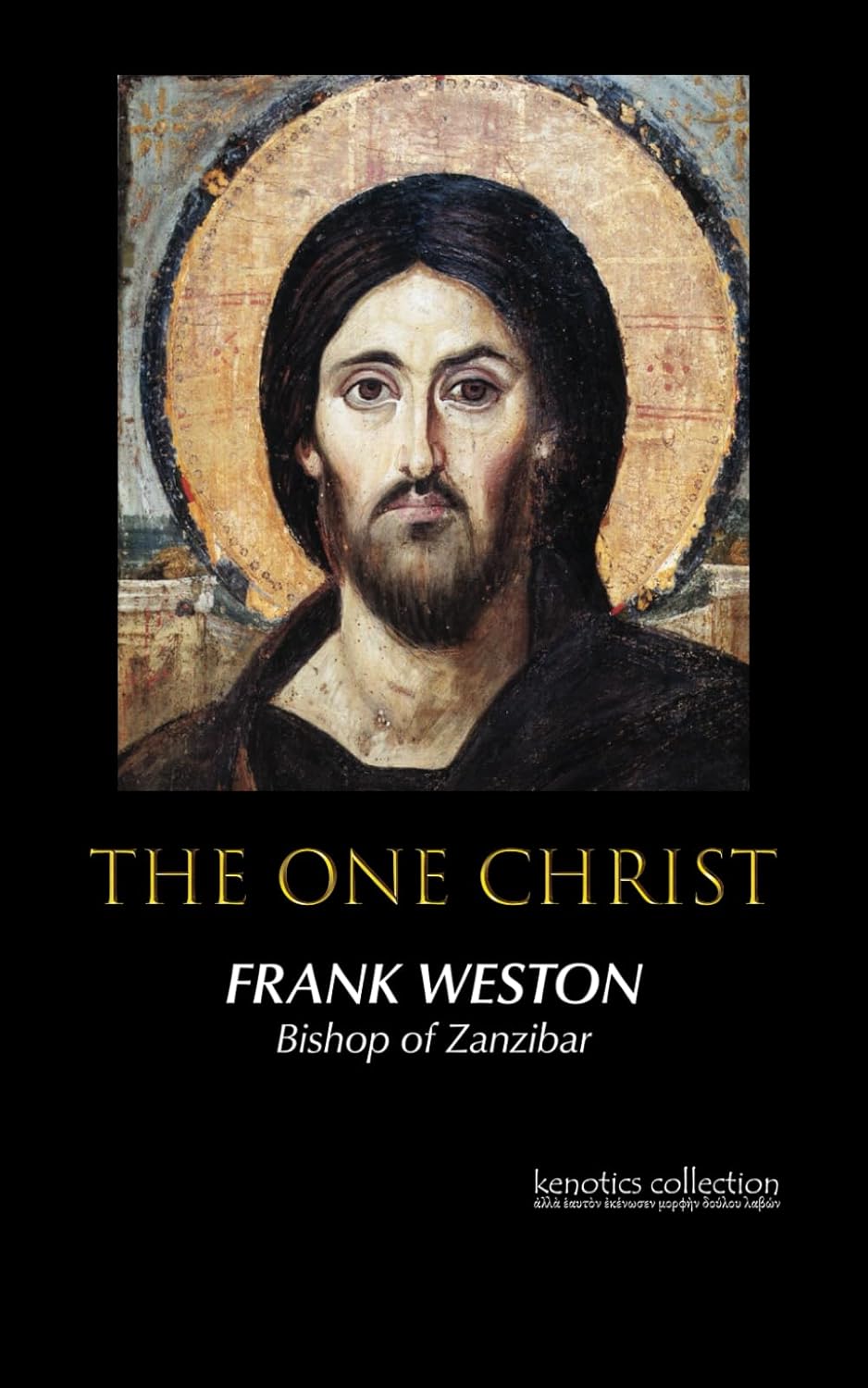
The One Christ
An Enquiry into the Manner of the Incarnation
Frank Weston
Kenotic theology, once considered a historical curiosity, is experiencing a remarkable resurgence that extends far beyond traditional theological circles. Contemporary thinkers such as David Bentley Hart and John Milbank have deeply engaged with kenotic ideas, applying them to a wide range of philosophical and theological questions. Hart, in particular, has explored how a kenotic understanding of God's relationship to the world might inform our approach to the problem of evil and the nature of divine freedom. Milbank, from his Radical Orthodoxy perspective, has considered how kenosis might reshape our understanding of divine power and the relationship between theology and secular thought.
Perhaps most surprisingly, the concept of kenosis has found traction in unexpected intellectual quarters, largely due to the work of Slovenian philosopher Slavoj Žižek. Despite his atheistic stance, Žižek has repeatedly engaged with Christian theology, particularly the notion of kenosis, seeing in it a powerful model for understanding subjectivity and revolutionary politics. His provocative readings of kenosis as a form of radical emptying that creates space for true freedom and ethical action have sparked discussions far beyond the boundaries of traditional theology.
It is in this context of renewed interest in kenotic thought that Frank Weston's The One Christ, first published in 1907, finds unexpected relevance. This seminal work in the development of kenotic Christology offers fresh perspectives on the perennial questions of Christ's divinity and humanity. Weston's innovative approach to kenotic theory, which posits a self-limited Logos as the subject of Christ's humanity, provides a nuanced solution to the Christological dilemmas that have challenged theologians for centuries. His sophisticated engagement with concepts of personhood and consciousness anticipates many modern philosophical discussions, making The One Christ a bridge between classical Christian thought and contemporary critical theory.
Weston's insistence on the permanence of Christ's humanity and the ongoing nature of the Incarnation resonates with current theological concerns about God's immanence and involvement in the world. His careful navigation between traditional orthodoxy and modern critical thought provides a model for engaging with scientific and philosophical challenges to religious belief.
This edition features a comprehensive introduction that situates Weston's work within its historical context and traces its influence on subsequent theological developments. The One Christ remains a challenging and rewarding text, offering profound insights into the nature of God, the meaning of the Incarnation, and the relationship between divinity and humanity. It invites readers to engage deeply with one of Christianity's central mysteries, providing resources for ongoing theological reflection in our contemporary world.